There is something different about spending a day together that simply cannot be replicated over Zoom.
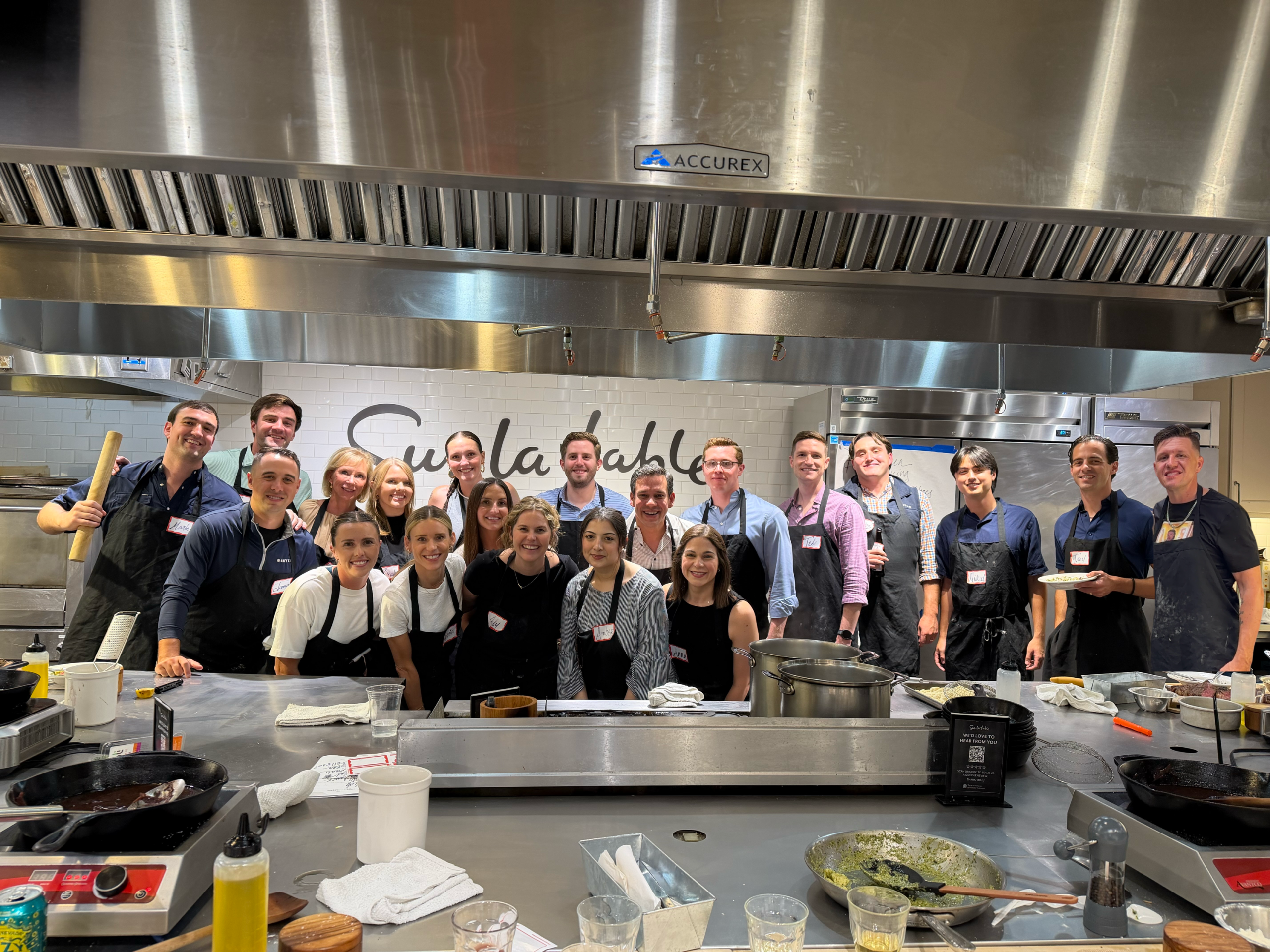
Recently, we brought our remote team members to Dallas for an off-site centered around a team cooking class. There was plenty of laughter, a few questionable knife skills, and yes, a little burnt garlic along the way. But the day was never really about cooking.
It was about creating space for conversations that do not happen between scheduled meetings, strengthening relationships across teams, and giving people the opportunity to connect outside of their day-to-day responsibilities. While technology has made it easier than ever to work from anywhere, great teams are still built through shared experiences.
After all, there is only so much you can learn about someone through a Teams call.
More Than a Team-Building Activity
The kitchen was loud from the moment we walked in.
Recipes were spread across the countertops. People immediately started assigning roles, comparing cooking experience, and debating the “right” way to chop vegetables. Some team members confidently took charge while others admitted they had no idea what they were doing. Somehow, it all worked.
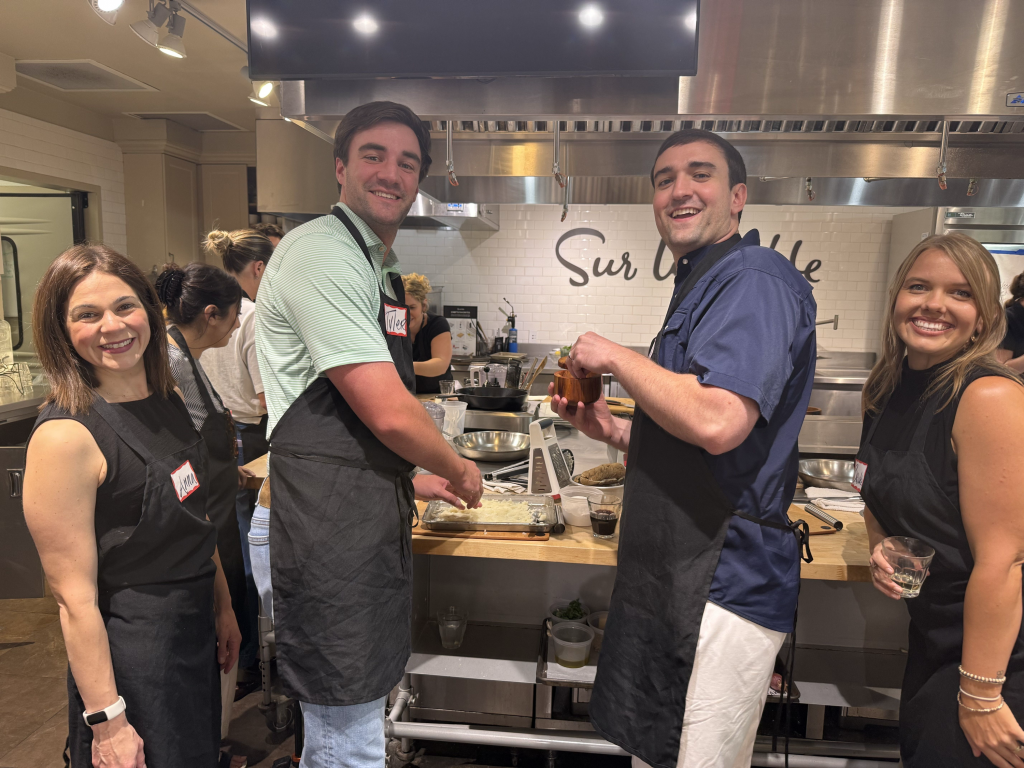
Some dishes turned out exactly as planned. Others… became memorable for different reasons.
What stood out most, though, had nothing to do with the food. Throughout the afternoon, conversations naturally shifted away from projects and deadlines. People who normally interacted through Slack or Zoom were finally meeting face-to-face, learning about each other’s families, hobbies, hometowns, and personalities.
By the time we sat down to eat, the room felt different. Not because everyone had become close friends overnight, but because the names on a screen had become real people.
That matters more than most organizations realize.
The Moments That Don’t Show Up on the Calendar
Remote and hybrid work have changed the way organizations operate, and for many teams, those changes have been overwhelmingly positive. Greater flexibility, broader access to talent, and fewer hours spent commuting have all made work better.
At the same time, something naturally gets lost.
The conversations before a meeting starts. The spontaneous brainstorming session after lunch. Discovering the coworker you’ve collaborated with for months makes an incredible dessert or has the exact same hobby as you.
Those moments never appear on an organizational chart or project plan, but they quietly build trust.
Trust is what makes collaboration easier. It makes difficult conversations more productive, helps teams move faster when priorities shift, and creates an environment where people are more willing to jump in and help each other.
That is why making time to be together still matters.
It Didn’t Stop With the Cooking Class
The cooking class may have been the centerpiece of the week, but it was far from the only opportunity to connect.
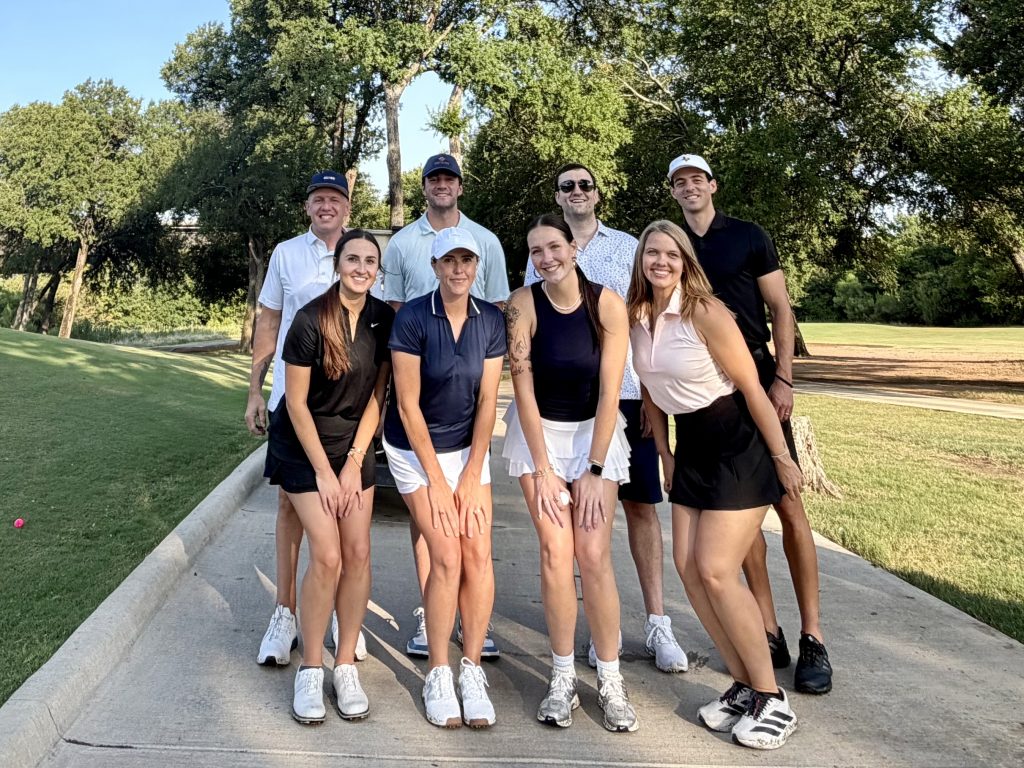
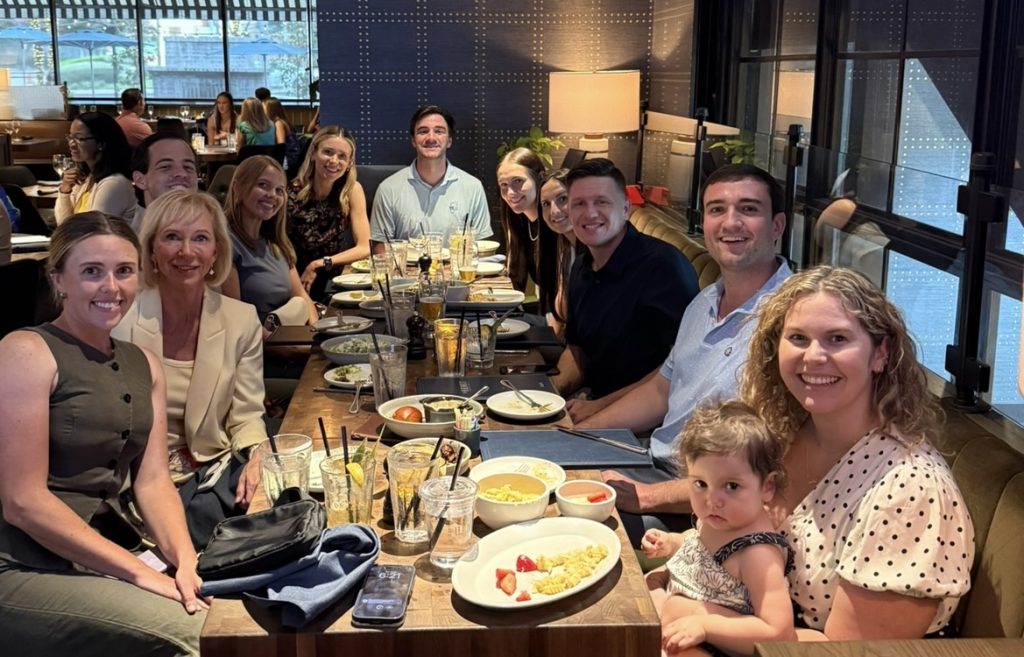
Several departments planned their own outings, giving smaller teams the chance to spend time together. Some grabbed dinner or coffee to catch up. Others spent a morning golfing. None of it was particularly elaborate, and that was exactly the point.
Culture is rarely built through one big event.
It grows through consistency. A shared meal. A coffee conversation. Celebrating a milestone. Taking time to step away from the daily routine and simply enjoy the people you work alongside.
Those moments may seem small on their own, but together they create something much bigger.
Why It Matters
Working alongside healthcare organizations across the country gives us a unique perspective into what separates good businesses from great ones. Every organization is different, but the strongest teams consistently have one thing in common: they trust one another.
That trust becomes especially important during periods of growth. Whether an organization is integrating an acquisition, opening a new location, implementing new technology, or navigating change, execution depends on people communicating well and solving problems together.
Those relationships are not built during weekly status meetings. They are built over time through shared experiences that help people understand one another beyond job titles and responsibilities.
Investing in culture does not have to mean planning an elaborate retreat or stepping away from the business for a week. Sometimes it is as simple as creating opportunities for people to spend meaningful time together outside of their normal routines.
The return often shows up later, when teams communicate more openly, move faster, and genuinely enjoy working together.
Looking Back
Looking back, nobody is going to remember whether every dish came out perfectly or who accidentally over-seasoned the vegetables.
We’ll remember the conversations that started while chopping onions, the laughter that carried across the kitchen, and finally putting faces to names we’d worked alongside for months.
We also left with something a little more meaningful than a good meal. We left with stronger relationships, new inside jokes, and a renewed appreciation for the people behind the work we do every day.
At Skytale, we’re fortunate to work with incredible clients across the healthcare industry, but we’re equally grateful for the team that makes that work possible. Investing in opportunities like this reminds us that while strategy, execution, and results will always matter, great businesses are ultimately built by great people.
Sometimes, all it takes is getting everyone in the same room.